City Skeleton and Capillaries
The metro forms the skeleton, buses form the blood vessels — transfers between metro and buses

The metro forms the skeleton, buses form the blood vessels — transfers between metro and buses
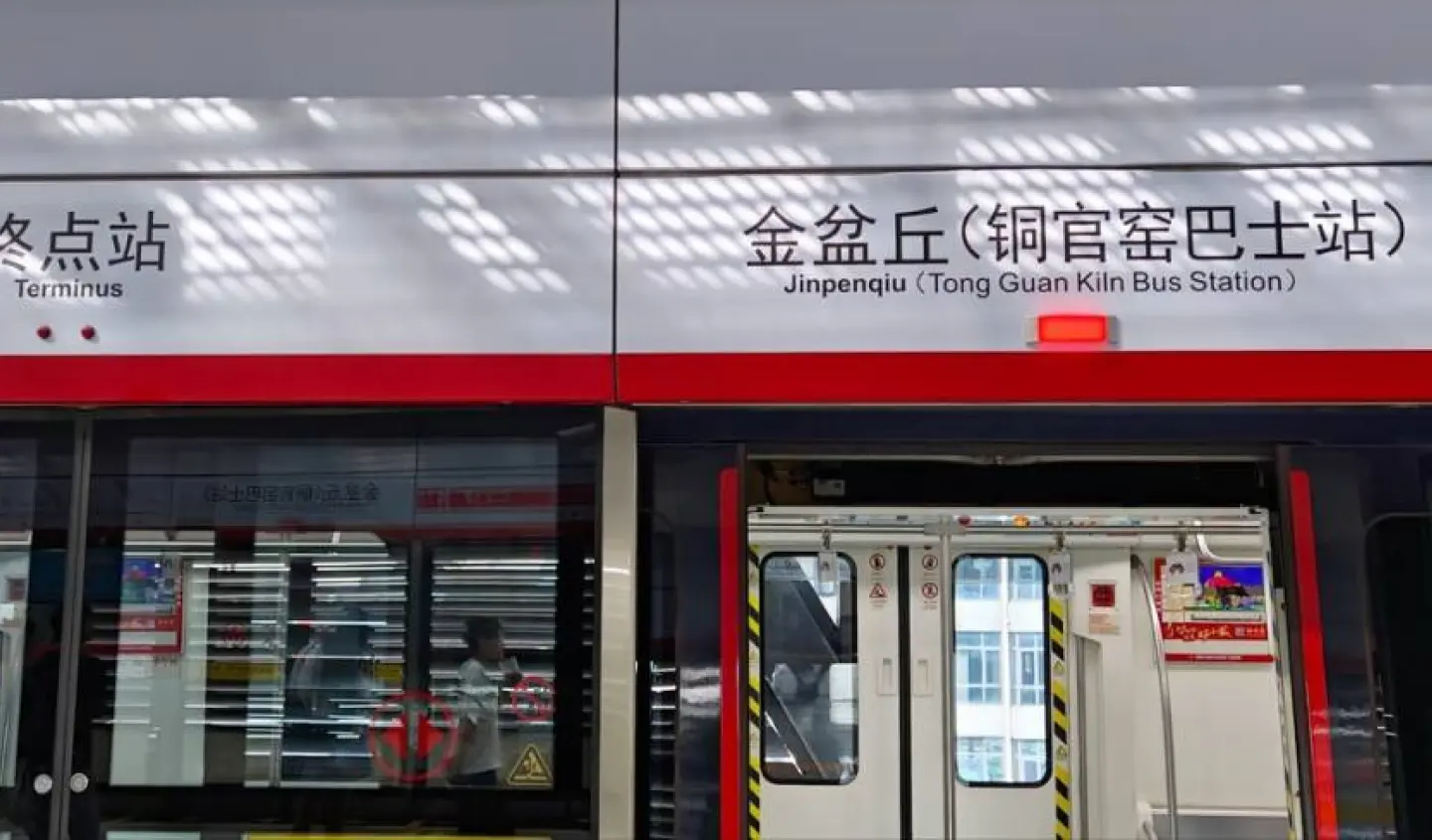
Changsha reached the 95%-plus figure by restructuring its bus network so buses feed the metro rather than compete with it. A key approach was "metro micro-buses": short routes of 2-3 km, mostly under 5 km, with peak headways under 5 minutes. At Yazipu station, transfers take about 50 seconds.
The redesign was data-driven, using passenger flow, travel trajectories, and population data to apply "one route, one policy." Authorities added 25 routes (16 urban), adjusted 96, and optimized hours for 110. New routes filled 61 km of service gaps. They also consolidated 28 overlapping routes, redeploying 269 drivers and 195 vehicles to busier lines.
As a result, average route length fell by 1 km and duplication dropped. Real-time tools like micro e-stations further improved transfers, helping connect over 95% of bus routes with the metro.
How was the 95%-plus figure — the proportion of Changsha's bus routes connected to the metro — achieved?
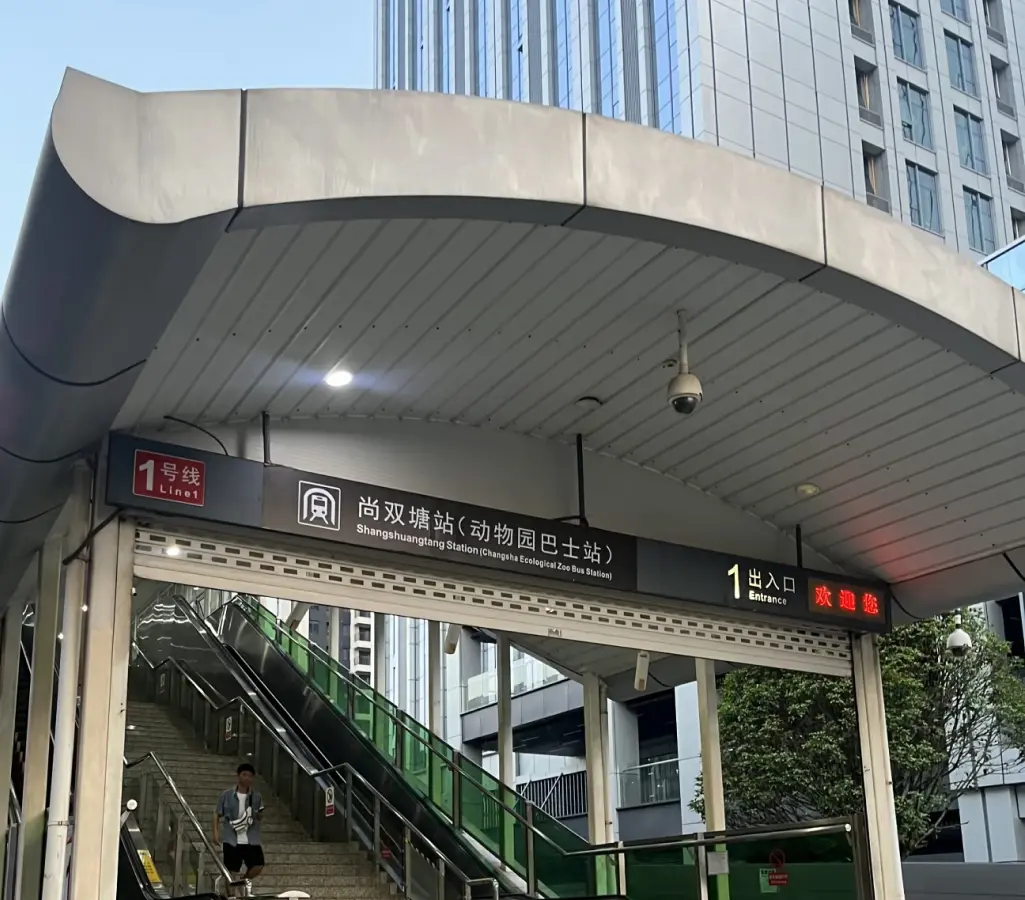
Shangshuangtang Station was chosen for the zoo-themed shuttle primarily because of its strategic location on Metro Line 1, which allows for a seamless, "zero-distance" transfer for visitors. The dedicated route was launched to solve the "last mile" problem of public transportation to the zoo, providing a direct connection from Exit 1 of the station to the zoo entrance. This choice effectively meets the travel needs of families, as passengers can transfer directly without a second connection. Furthermore, the station's role as a key transit hub helps reduce private car use, alleviating traffic congestion and lowering carbon emissions around the scenic area. The shuttle, decorated with cute animal imagery, also enhances the overall visitor experience from the moment they exit the metro.
Why was Shangshuangtang chosen for the zoo-themed shuttle instead of other stations?
The bus route around Wuyi Square that highly overlaps with the alignment of Metro Line 1 is Bus Route 409. According to the Changsha Transportation Bureau, the route of Bus 409 is "highly overlapping" with the extended section of Metro Line 1, which has led to lower passenger occupancy on the bus and longer waiting times for passengers. Another route, Express Bus 5, has also been reported as highly overlapping with Metro Line 1 and is planned for cancellation. These examples illustrate a common challenge in Changsha: as the metro network expands, some bus lines that run parallel to it experience reduced ridership, prompting authorities to optimize or cancel these overlapping routes to avoid resource waste.
Which bus route around Wuyi Square "highly overlaps with the alignment of Metro Line 1"?
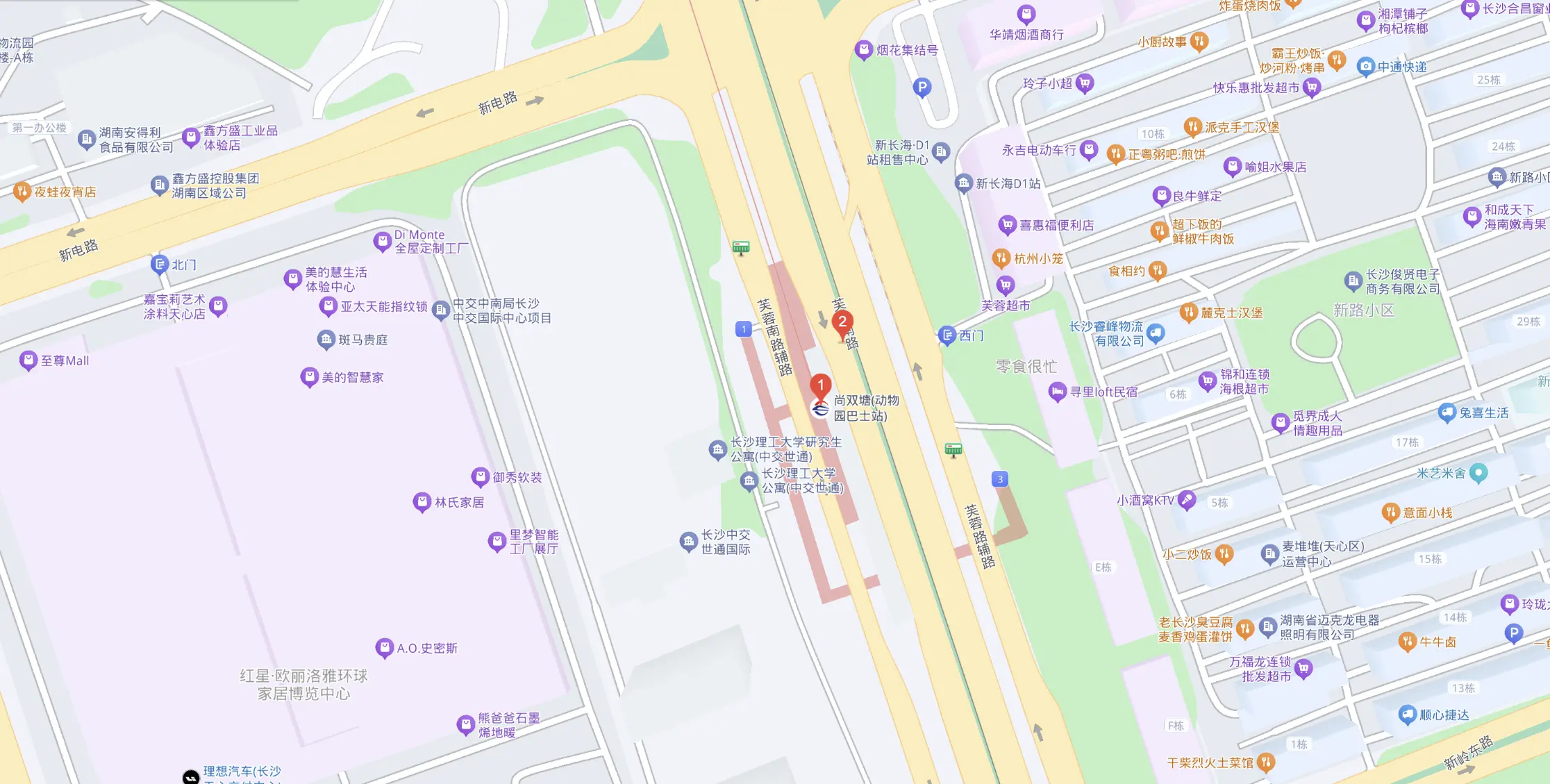
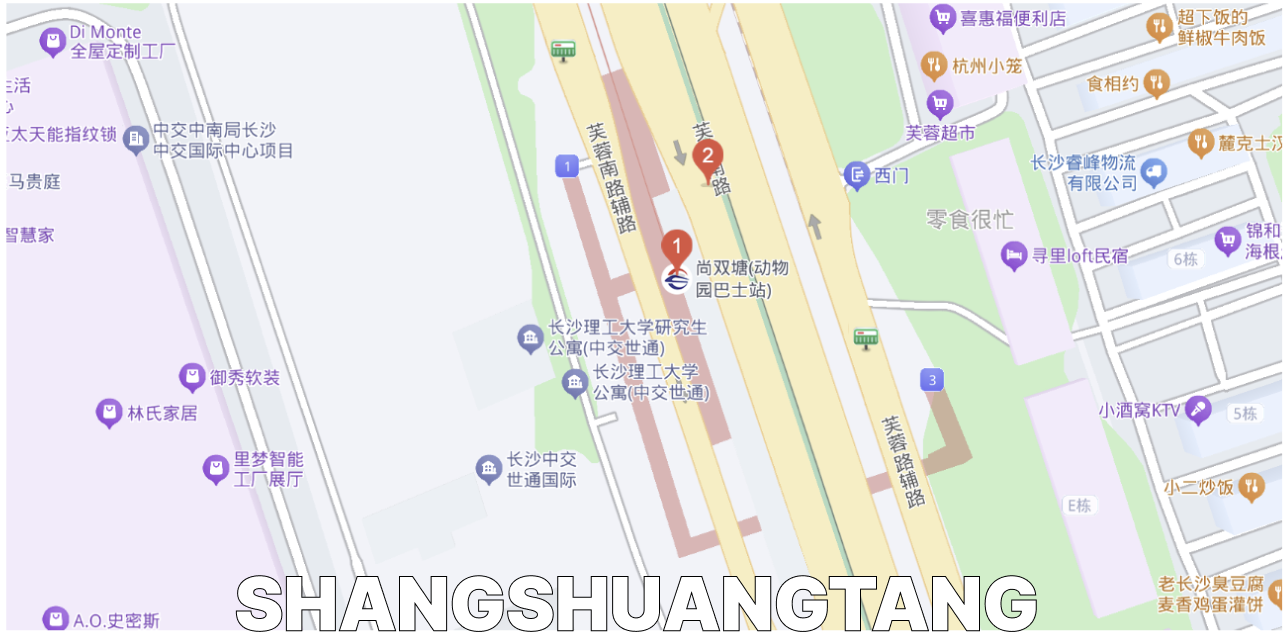
a "feeder station" on the southern edge of the city
Exits 1 and 3 are near Xinlucun Station
Bus 27, 125, 209, 134, 52
Shangshuangtang is the terminus of Line 1 and the only elevated station on the entire line. The role of buses is to "feed" passengers from southern areas not covered by the metro into the station.
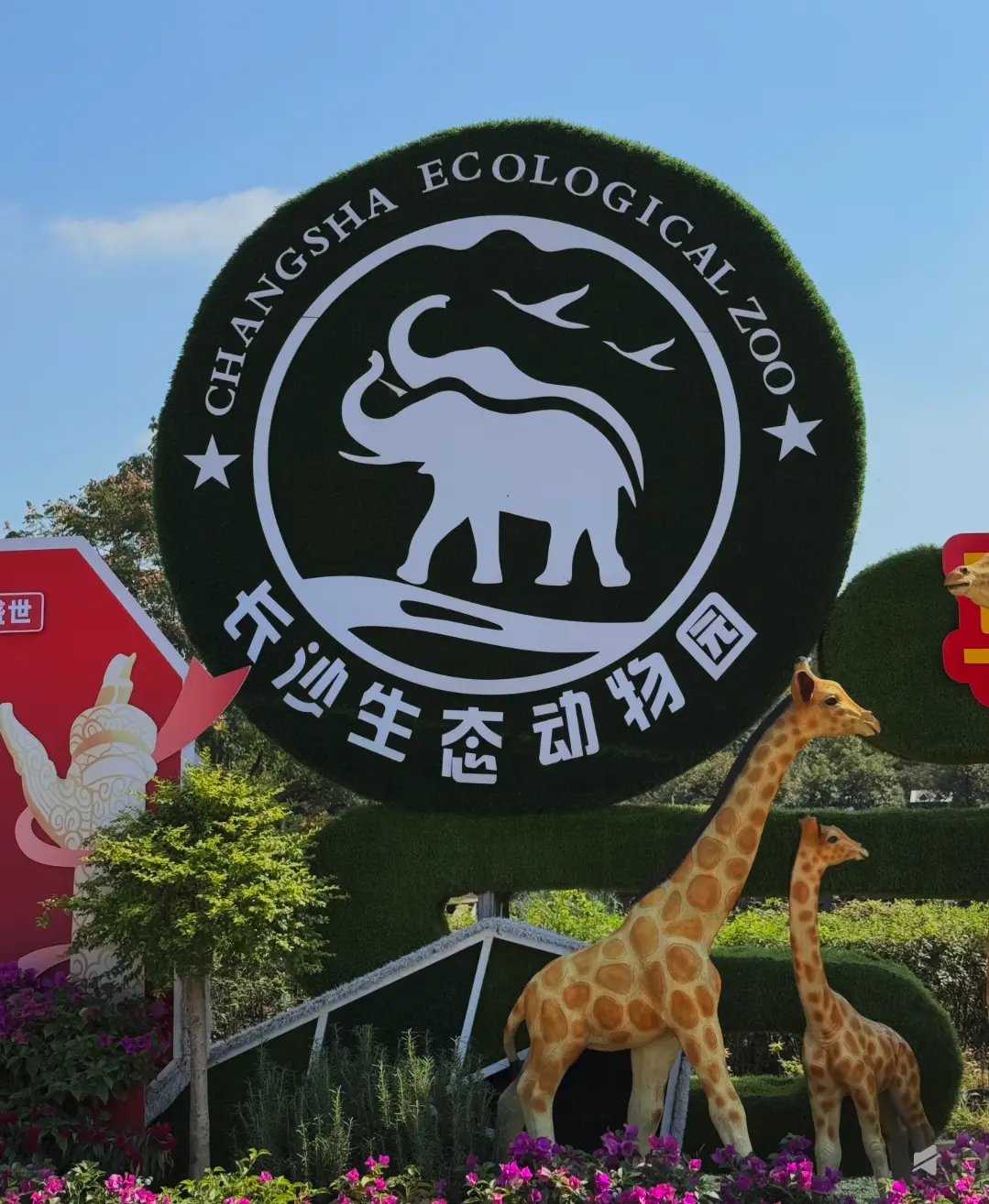
Shangshuangtang Station Exit 1 ↔ Changsha Ecological Zoo, fare 2 yuan, operating until 17:30 in summer
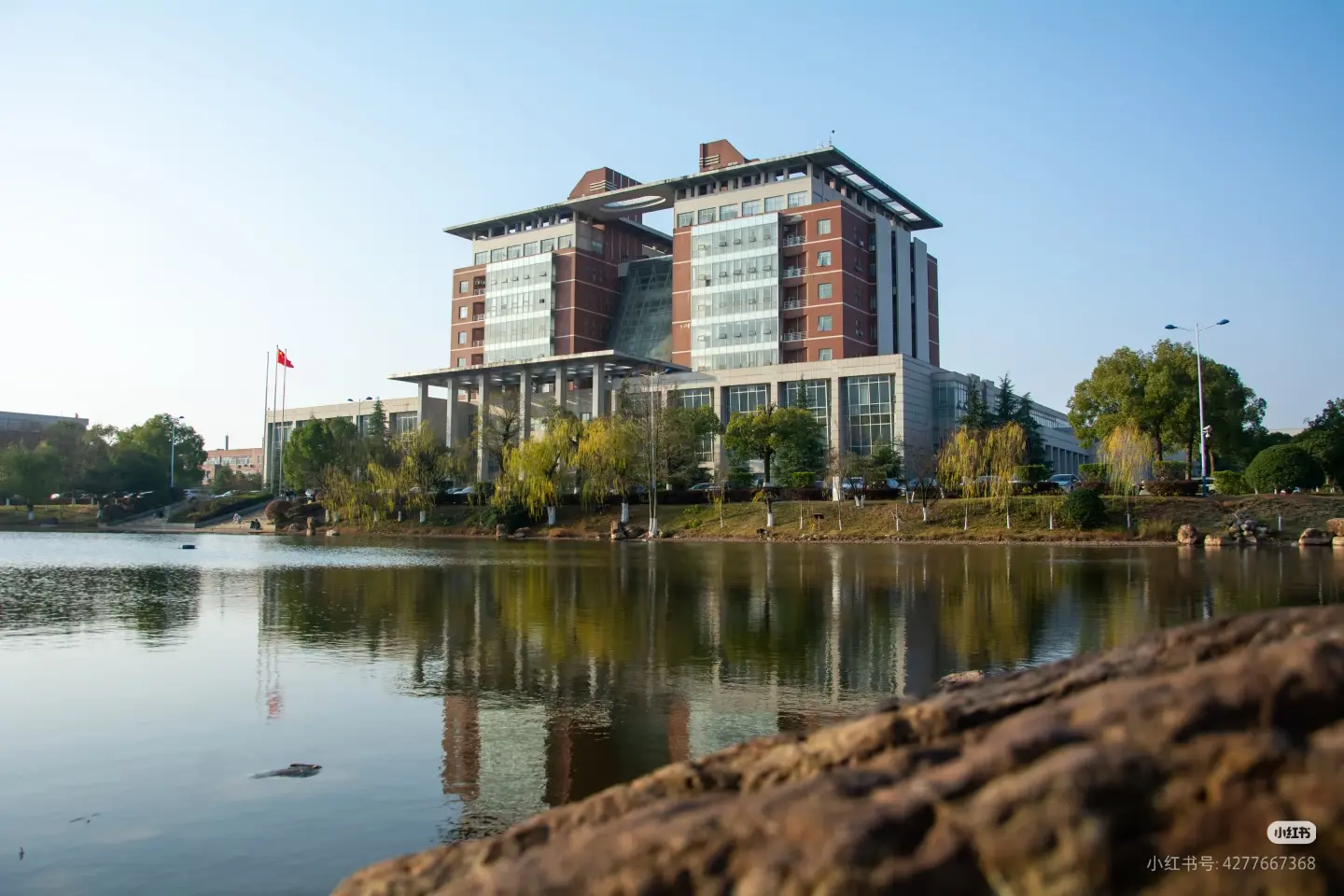
Changsha University of Science and Technology Yuntang Campus ↔ Xinchanghai (Shangshuangtang Metro Station), running in both directions
Route M302Departs from Shangshuangtang Station Exit 1, operating until 23:30, covering areas along Furong South Road and Wanjiali Road, addressing nighttime travel needs for large communities in the south
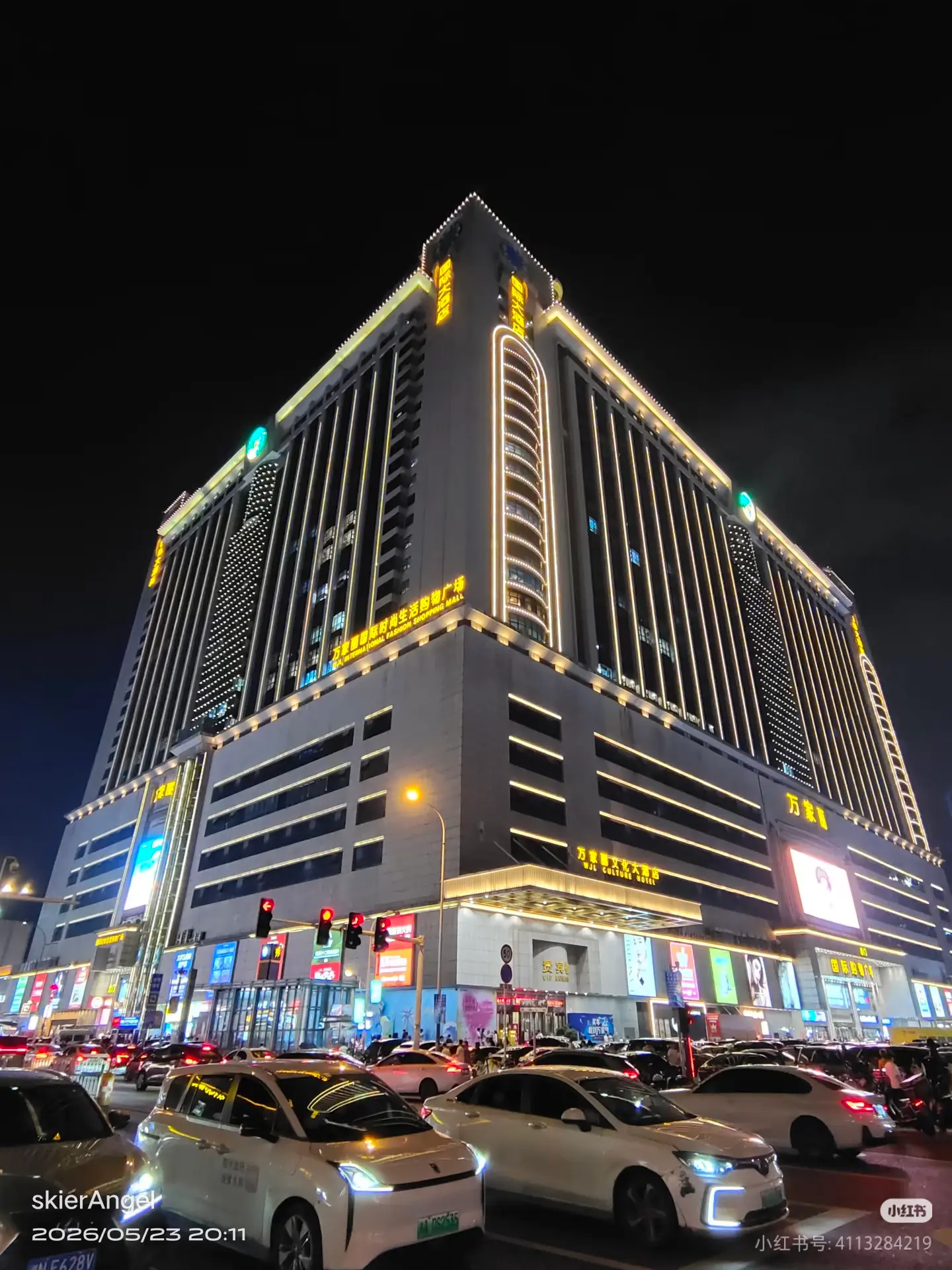
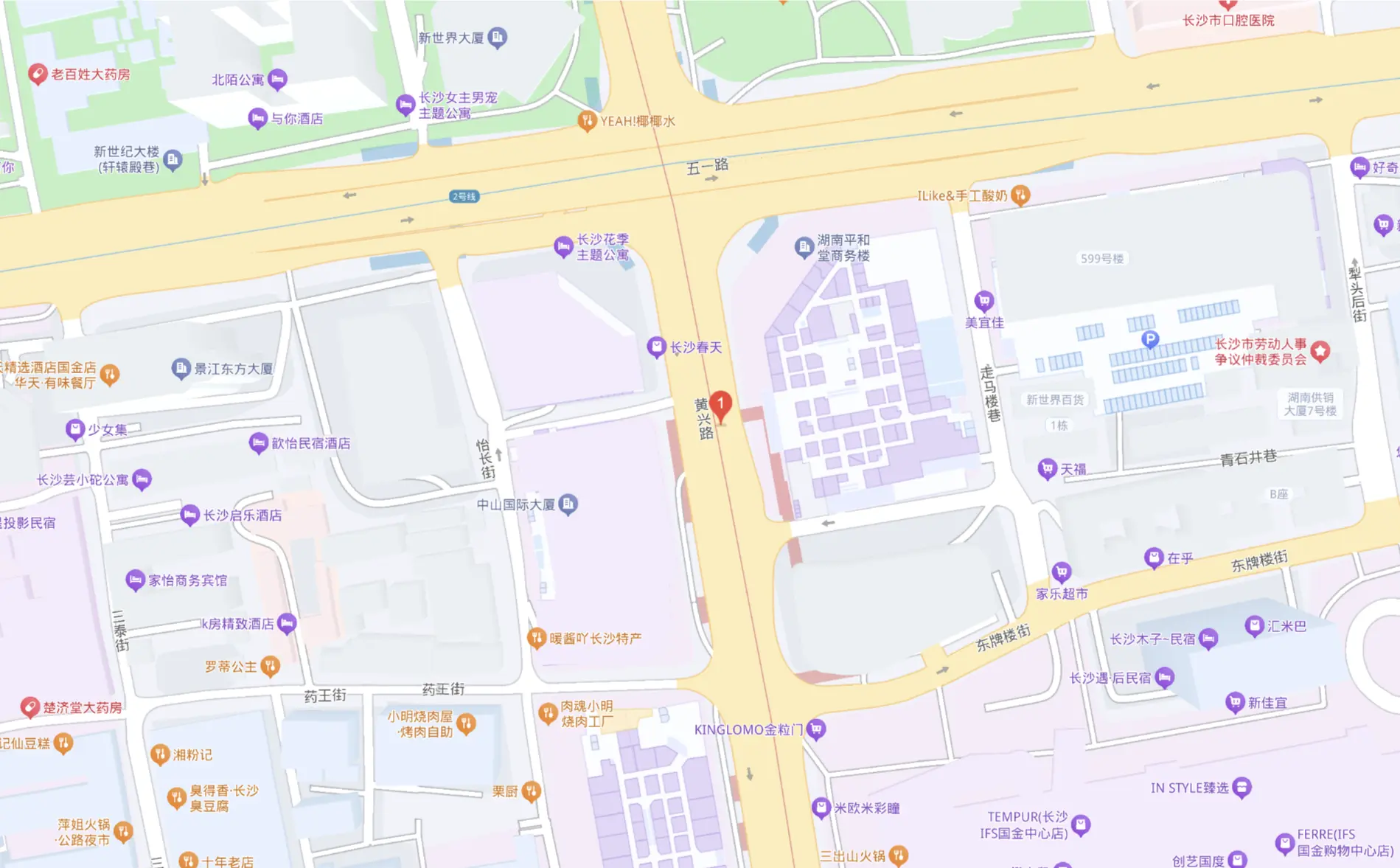
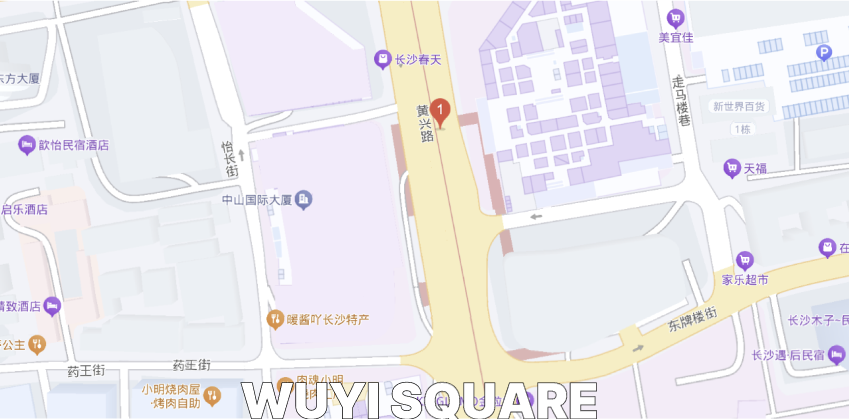
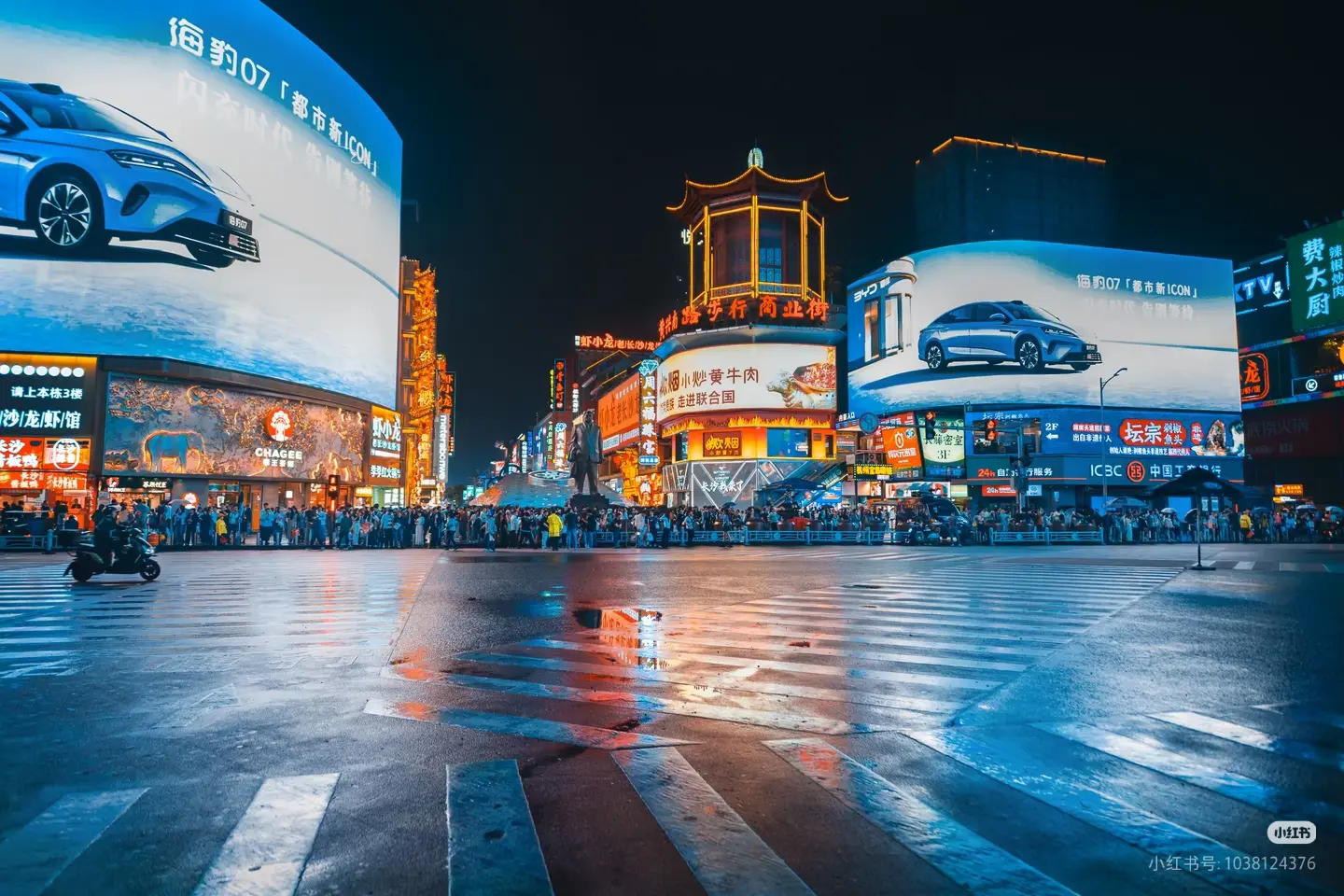
the crossroads of Lines 1 and 2, Changsha Metro's busiest passenger flow node.
a "dispersal station" for the core commercial district, with buses handling short-distance diversion and nighttime backup.
8 entrances/exits, dense surrounding bus routes, and a 96.2% connection rate between regular buses and rail transit.
Wuyi Square is a transfer station between Lines 1 and 2 and the largest passenger flow node. The role of buses here is not "feeding" but rather diversion and backup.
near Wuyi Square bus stop, transfer to routes 117, 118, 401, and Tourist Line 1
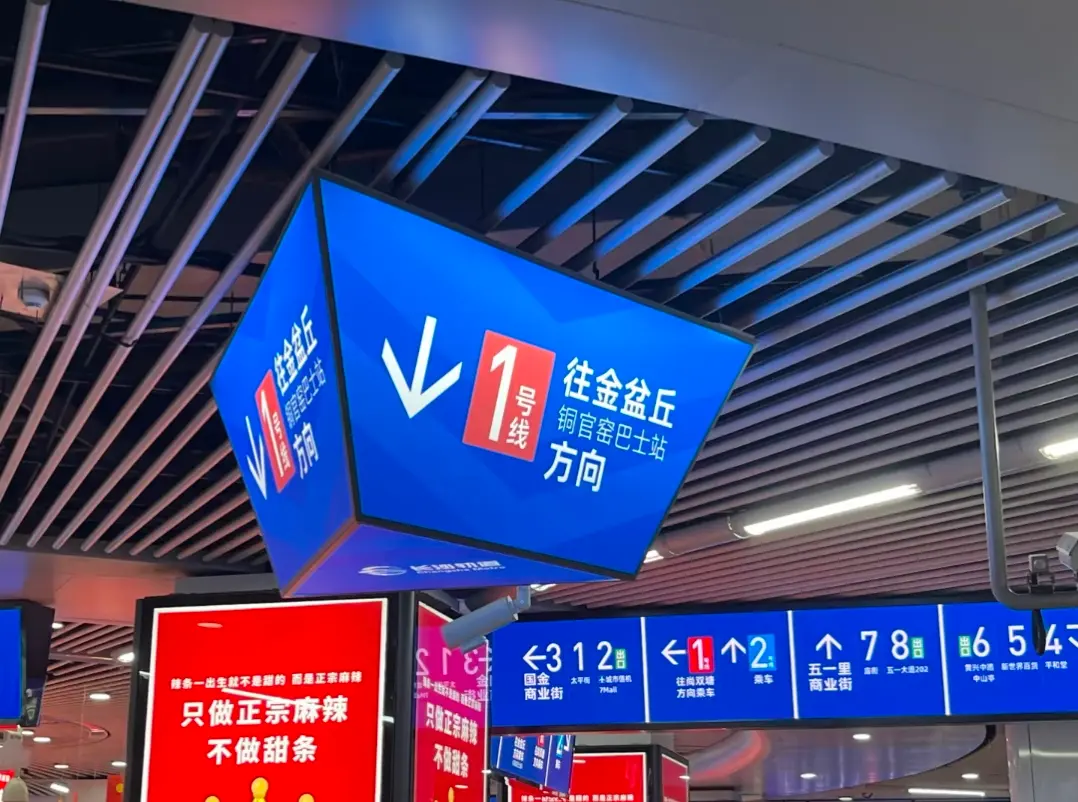
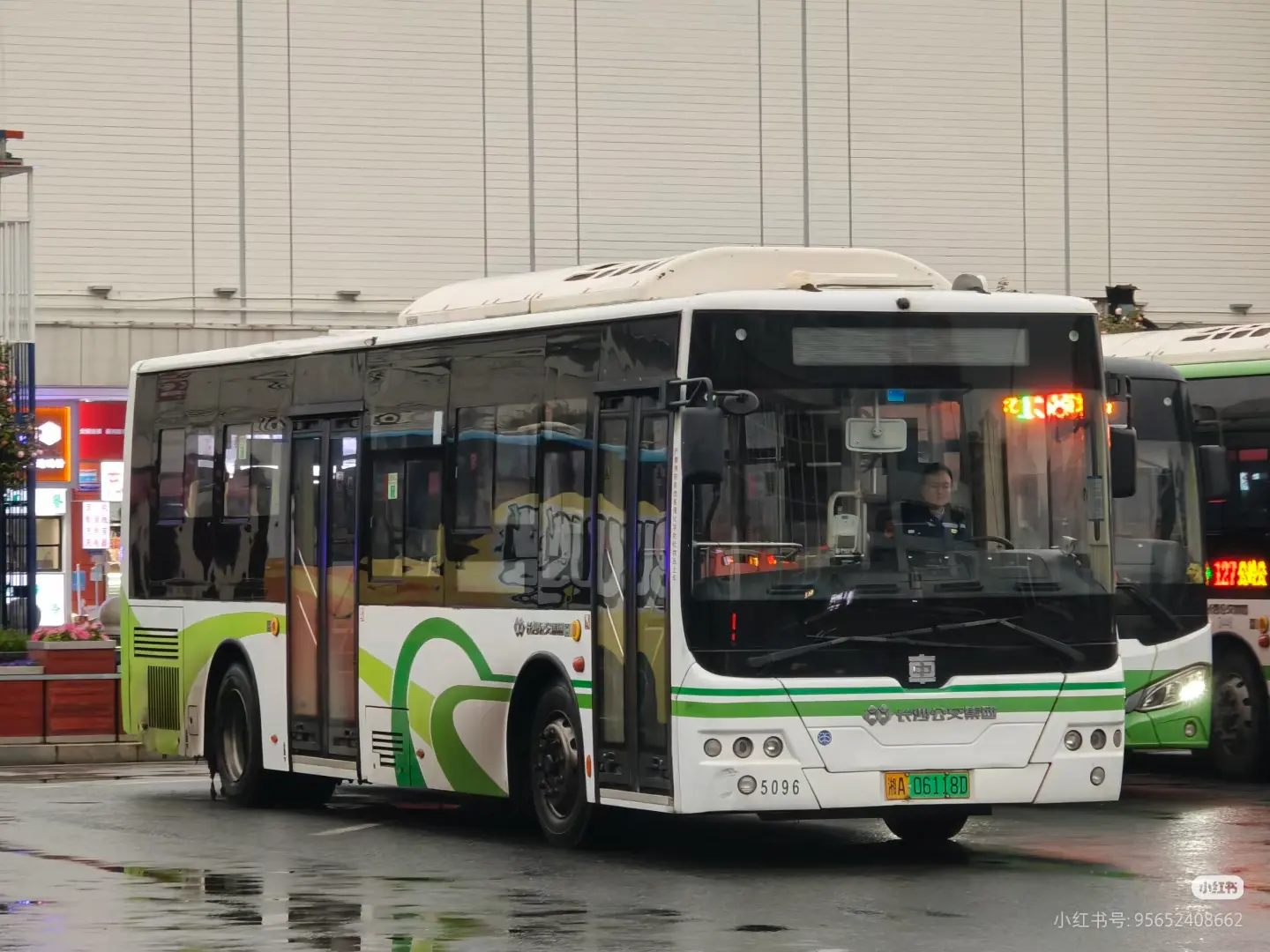
near Niu'er Education (Nanyang Street Entrance) stop, transfer to routes 2, 6, 12, 18, 109, 202, 301, 303, 312, 314, Lishan, etc.
Exit 5routes 138, 69, 2, 112, etc. also run nearby
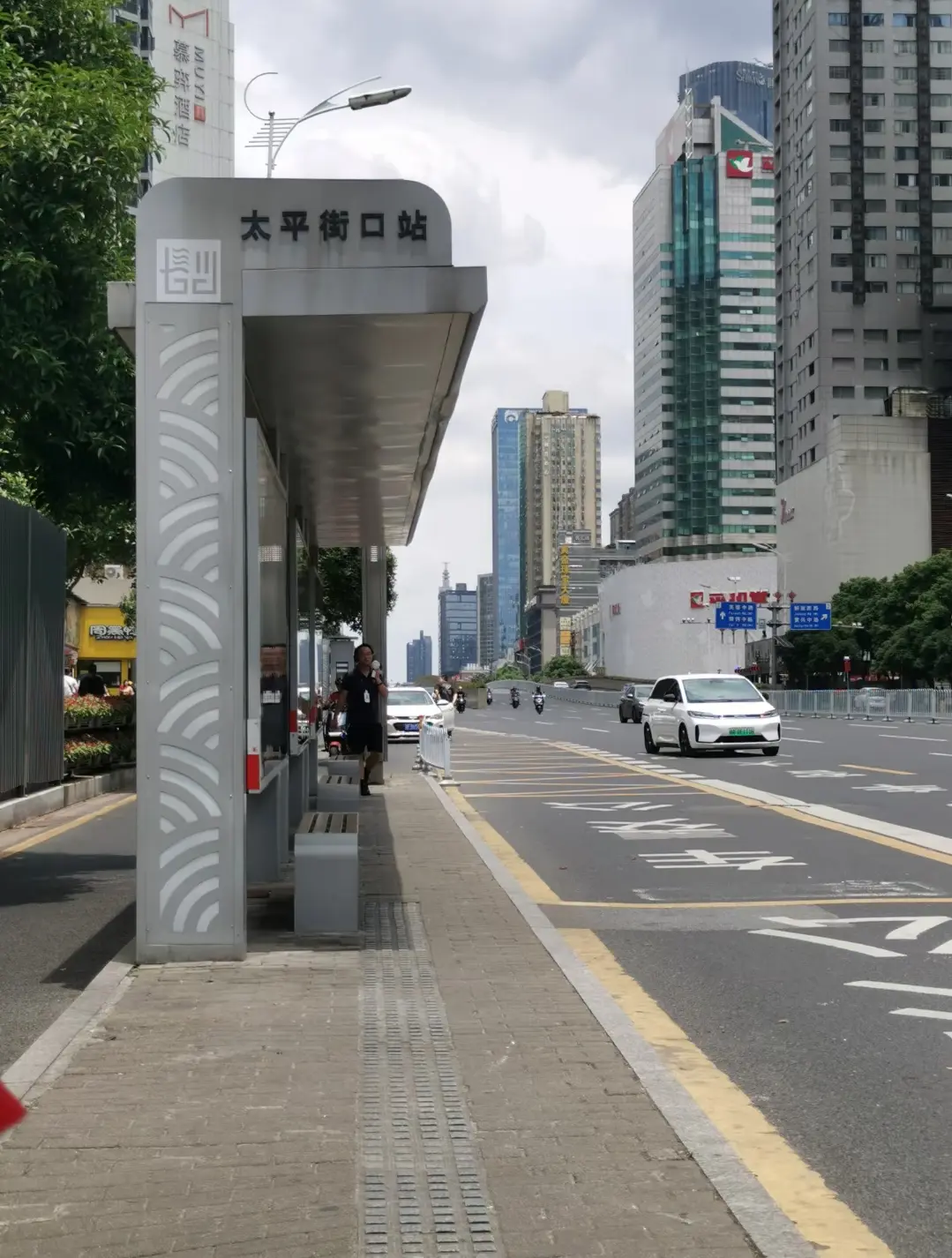
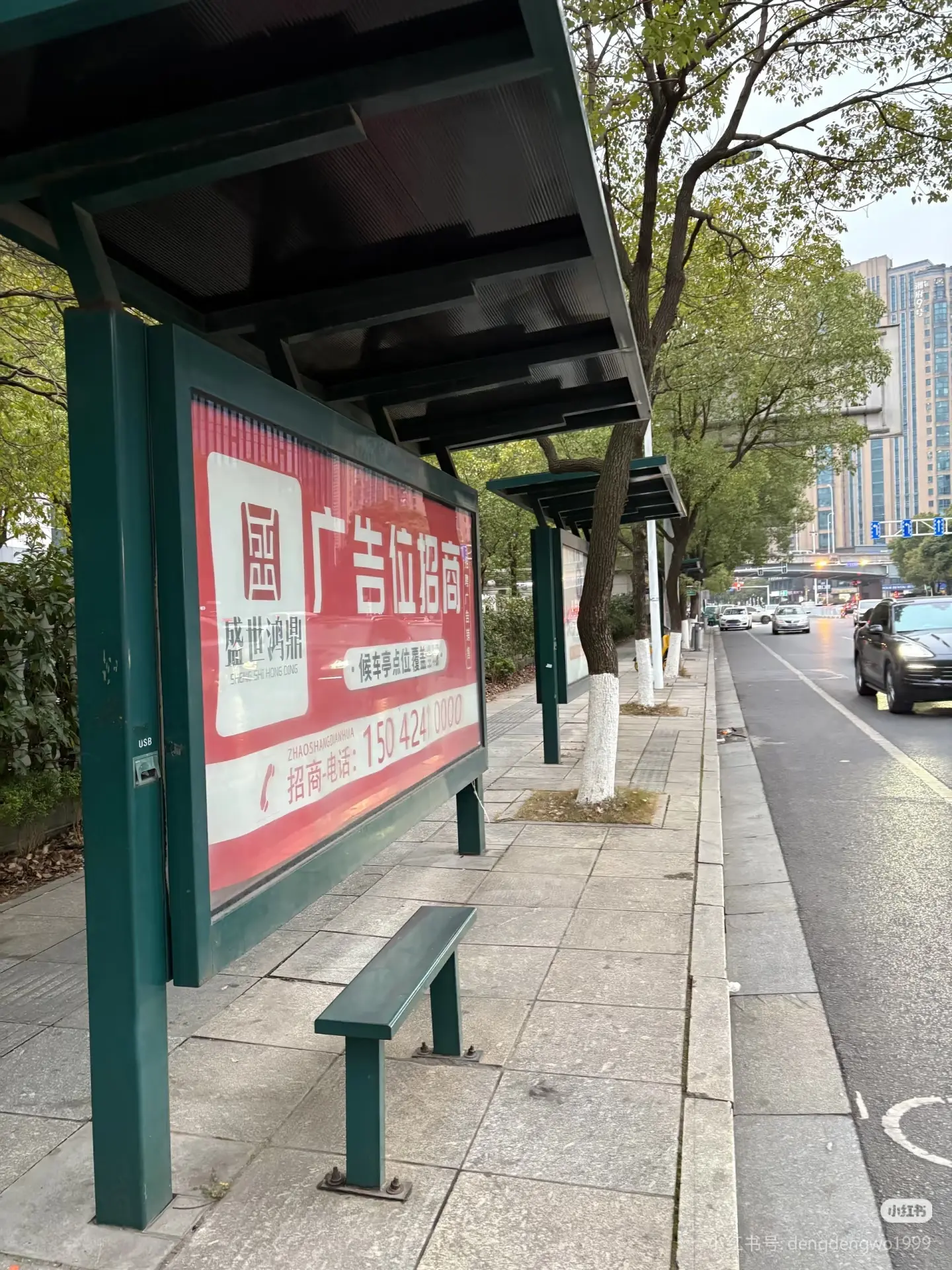
Cultural tourism route example: Route 807 links Wuyi Square, Hunan Provincial Museum, Martyrs' Park, and Orange Isle, with departures every 6-8 minutes during peak hours, a 2-yuan fare, and direct connections from metro exits to scenic area entrances.
Route 807Routes 117/118 shuttle within the commercial district, Route 401 connects metro stations such as Furong Square at street level, and Route 807 provides direct access to Orange Isle and Hunan Provincial Museum.